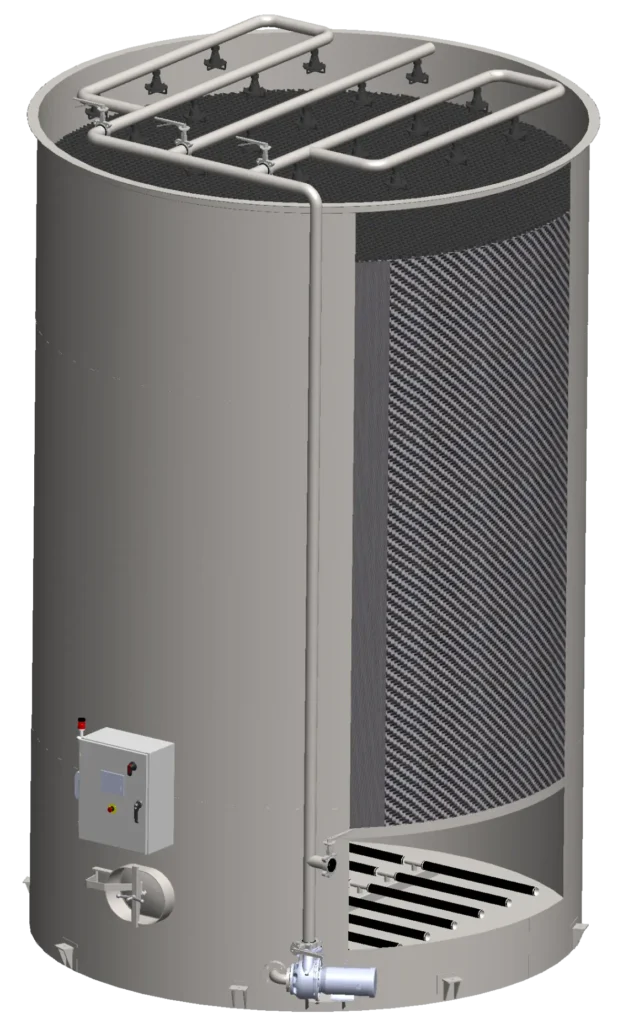
Fixed Film Reactors (FFR), also known as attached biofilm reactors, use specialized media to support the growth of beneficial microorganisms that break down pollutants in wastewater. As wastewater passes over the media, biofilm develops on the surface, enabling efficient biological treatment and consistent pollutant removal.
Fixed Film Reactors provide efficient biological treatment by maximizing surface area for biofilm growth and pollutant degradation. Compared to conventional suspended-growth systems, FFR technology offers a smaller footprint, lower sludge production, and reduced aeration demands for improved operational efficiency.
The attached biofilm process also helps maintain reliable performance during fluctuations in flow and organic loading while supporting nitrification and denitrification for effective nutrient removal. Adaptable to a wide range of wastewater conditions, FFR systems are well suited for municipal, industrial, and decentralized treatment applications.
Treats high-strength wastewater with variable organic loading.
Provides reliable BOD and ammonia removal for small to mid-sized treatment facilities.
Delivers efficient treatment for facilities with fluctuating occupancy and limited infrastructure capacity.
Handles seasonal, organic-rich wastewater streams with simplified operation and maintenance requirements.
Nviro’s fixed film reactors are engineered for reliable, low-maintenance biological treatment in demanding wastewater applications. Designed and manufactured in-house, our systems use high-surface-area media to support dense biofilm growth for effective BOD and ammonia removal under variable operating conditions.
Built for durability, operational simplicity, and long-term performance, Nviro’s reactors are ideal for decentralized, industrial, and water reuse applications where space efficiency and treatment reliability are critical.
A winery needed a wastewater treatment solution capable of handling extremely high and variable organic loads caused by seasonal grape processing (“crush season”). The system also needed to achieve a high level of treatment efficiency while remaining reliable, energy efficient, and easy to operate.
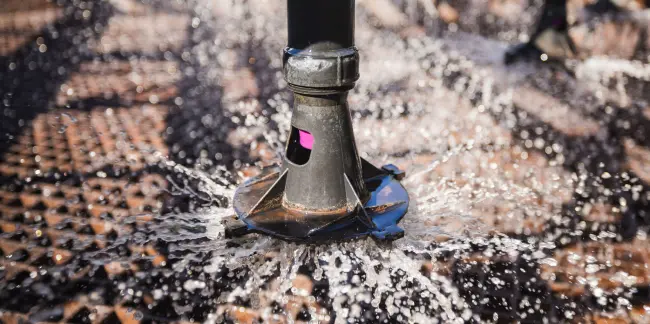
Nviro designed and implemented a customized wastewater treatment system that combined screening, equalization, a modified trickling filter, activated sludge treatment, and final clarification. The trickling filter was engineered specifically for high-strength winery wastewater using a fixed nozzle distribution system and Brentwood VF5000 media to optimize flow distribution, prevent clogging, and improve biomass management. Supplemental aeration and durable stainless-steel construction further enhanced long-term system performance and reliability.
Since beginning operation in 2022, the system has successfully managed significant fluctuations in wastewater strength while consistently delivering strong treatment performance. The trickling filter removes an average of 65% of BOD under high organic loading conditions, with minimal maintenance and low energy consumption. Nviro’s approach demonstrated that trickling filter technology can provide a highly effective, low-maintenance solution for industrial wastewater treatment applications such as wineries.
PDF (3.4 MB)